
Topic preview
AI for NGOs: Use It Safely, Use It Well
Explore how AI can support programme work, where it falls short and what responsible use asks of your team.
Explore this topicThe useful question is not simply “What can AI do?” It is “What can it help us do well, with evidence we can trust?” Start there—and build a more responsible way of working.

Be clear about the question, the sources available and the decisions the output might inform.
Verify claims and calculations. Look for missing context, unsupported certainty and gaps in the evidence.
Protect sensitive information, document limitations and know when a person needs to review the work.
The AI foundations course helps you understand the tools and their limits. The wider programme connects responsible AI with monitoring, evaluation, accountability, learning and budgeting.
These pages outline additional learning topics. They are previews, not separately available courses or enrolment offers. For a programme you can join now, explore Integrated MEL.
Explore how AI can support programme work, where it falls short and what responsible use asks of your team.
Explore this topic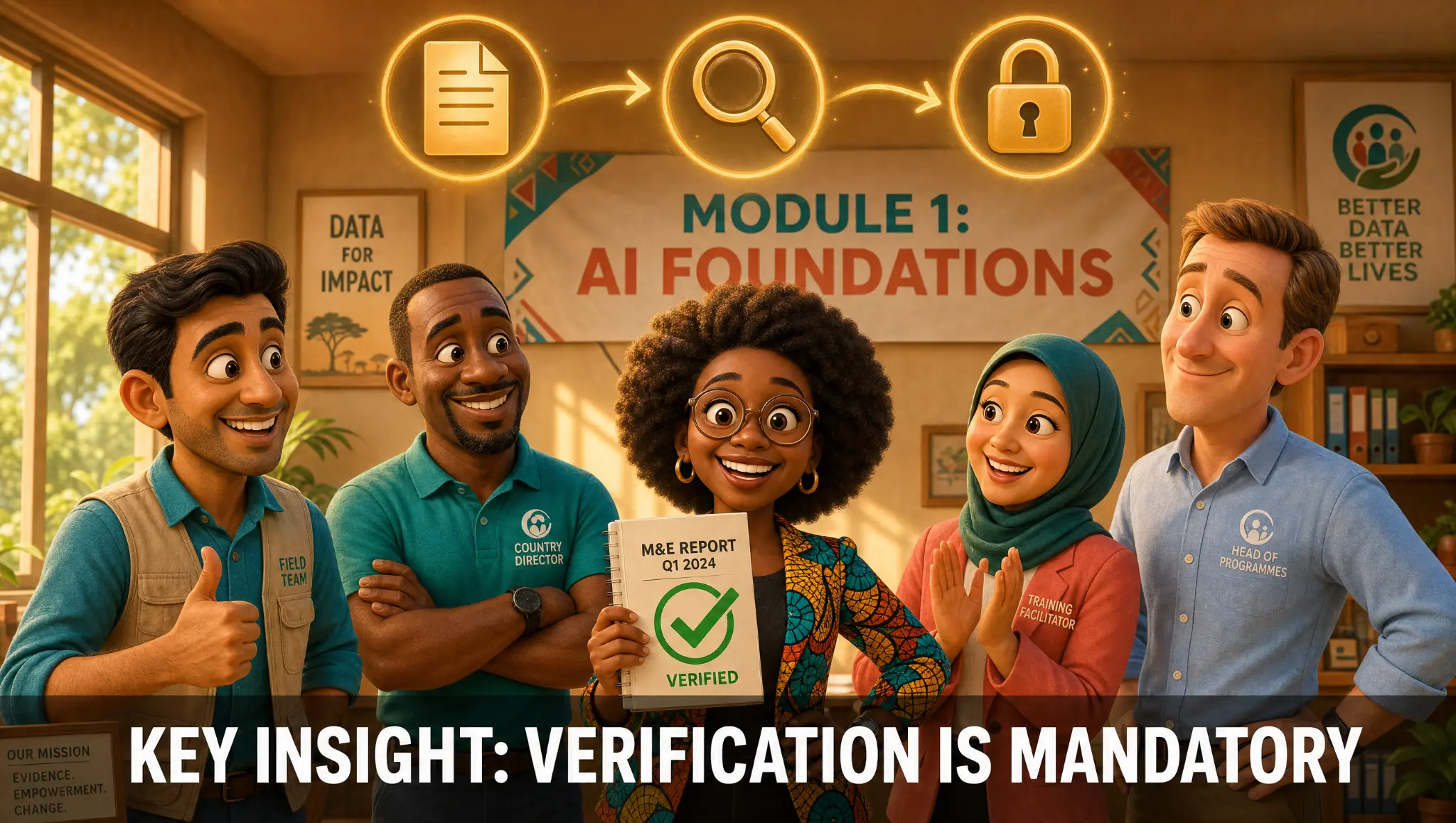
Build the habit of checking sources, numbers and claims before an AI-assisted draft becomes programme evidence.
Explore this topic
Give AI a clear task, relevant context and a useful output format, then build review into the workflow.
Explore this topic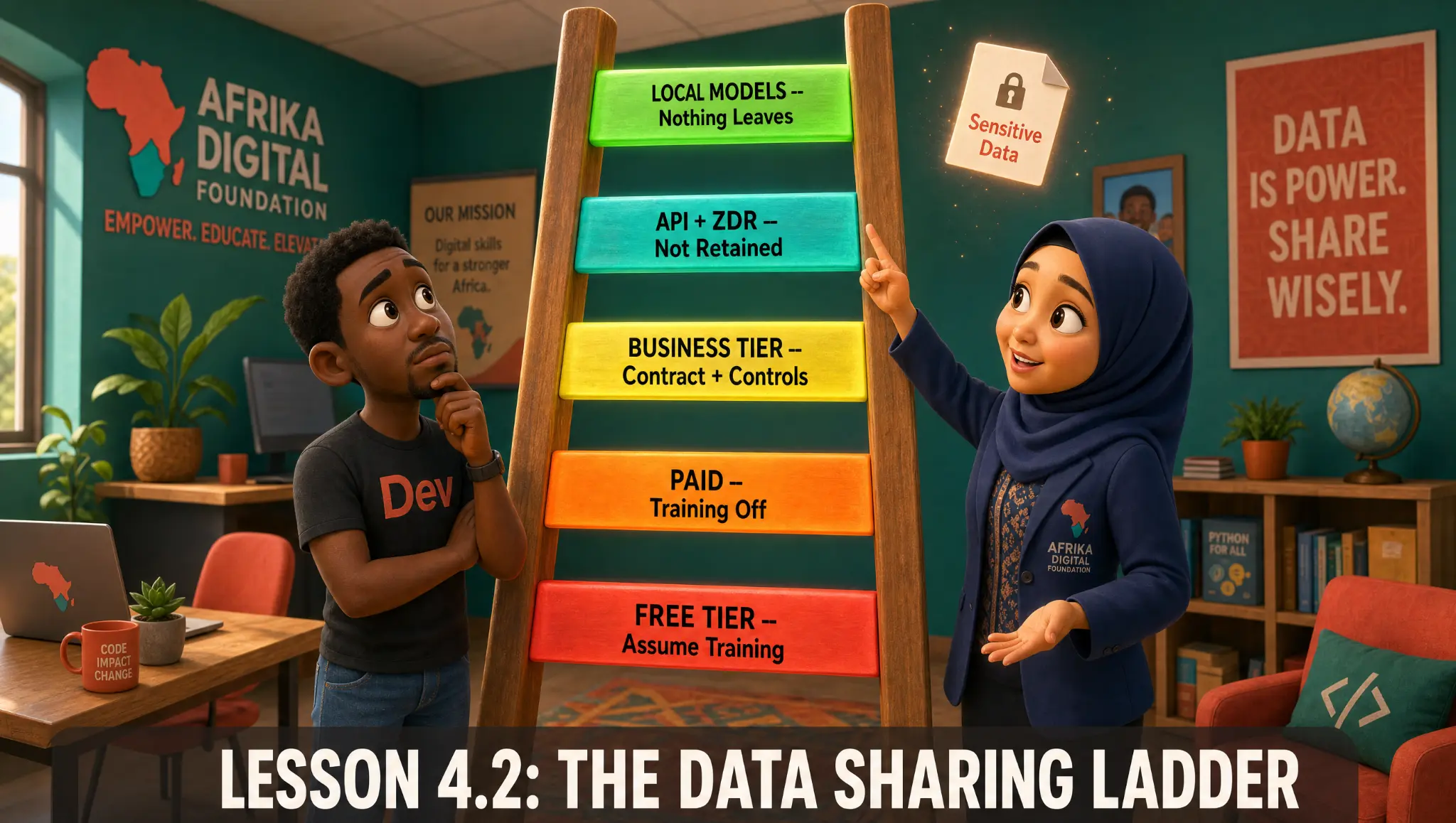
Turn a vague request into a structured prompt with a clear purpose, source material, boundaries and review criteria.
Explore this topic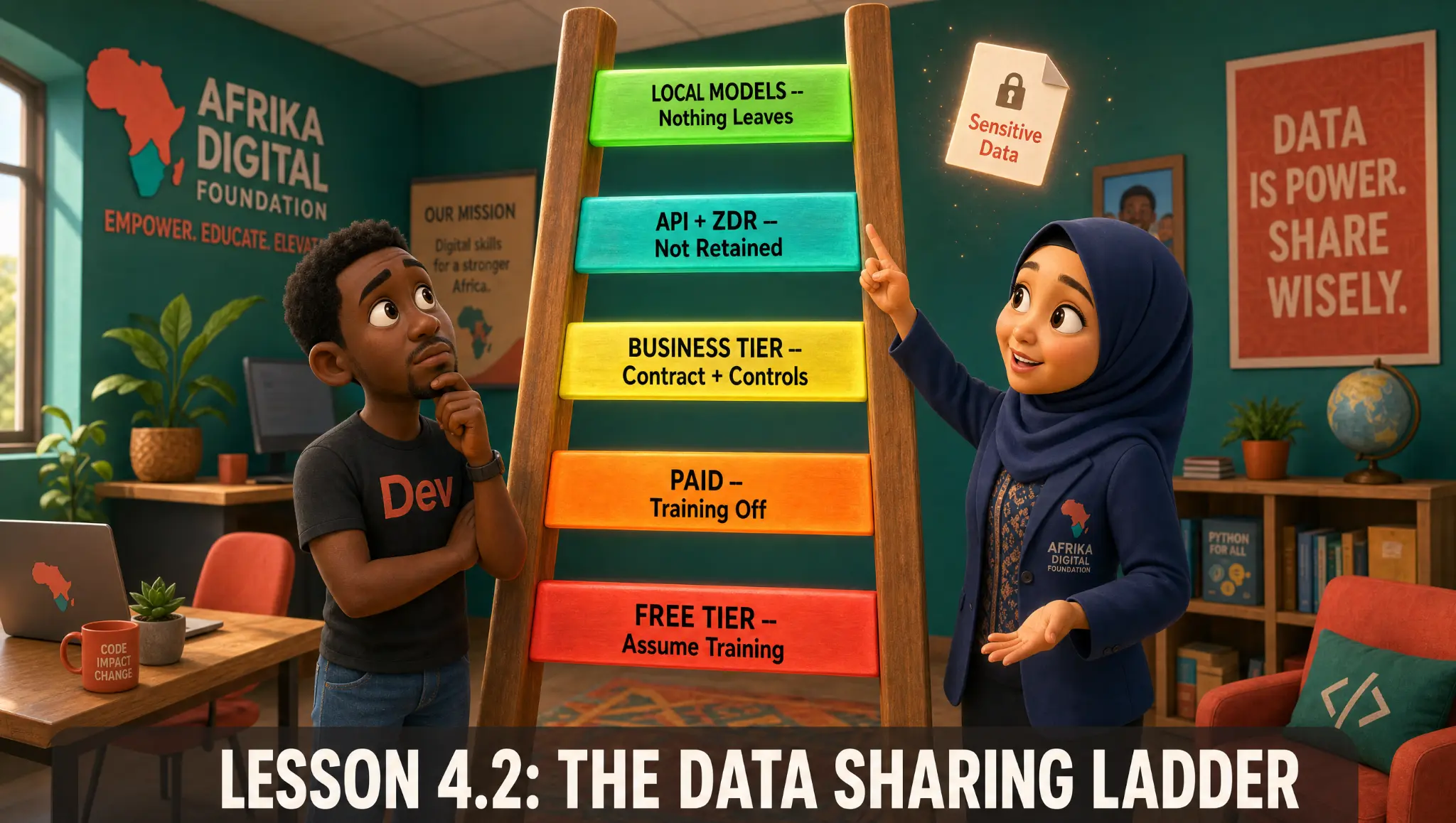
Pause before sharing programme data. Consider its sensitivity, the permissions you have and the environment you are using.
Explore this topic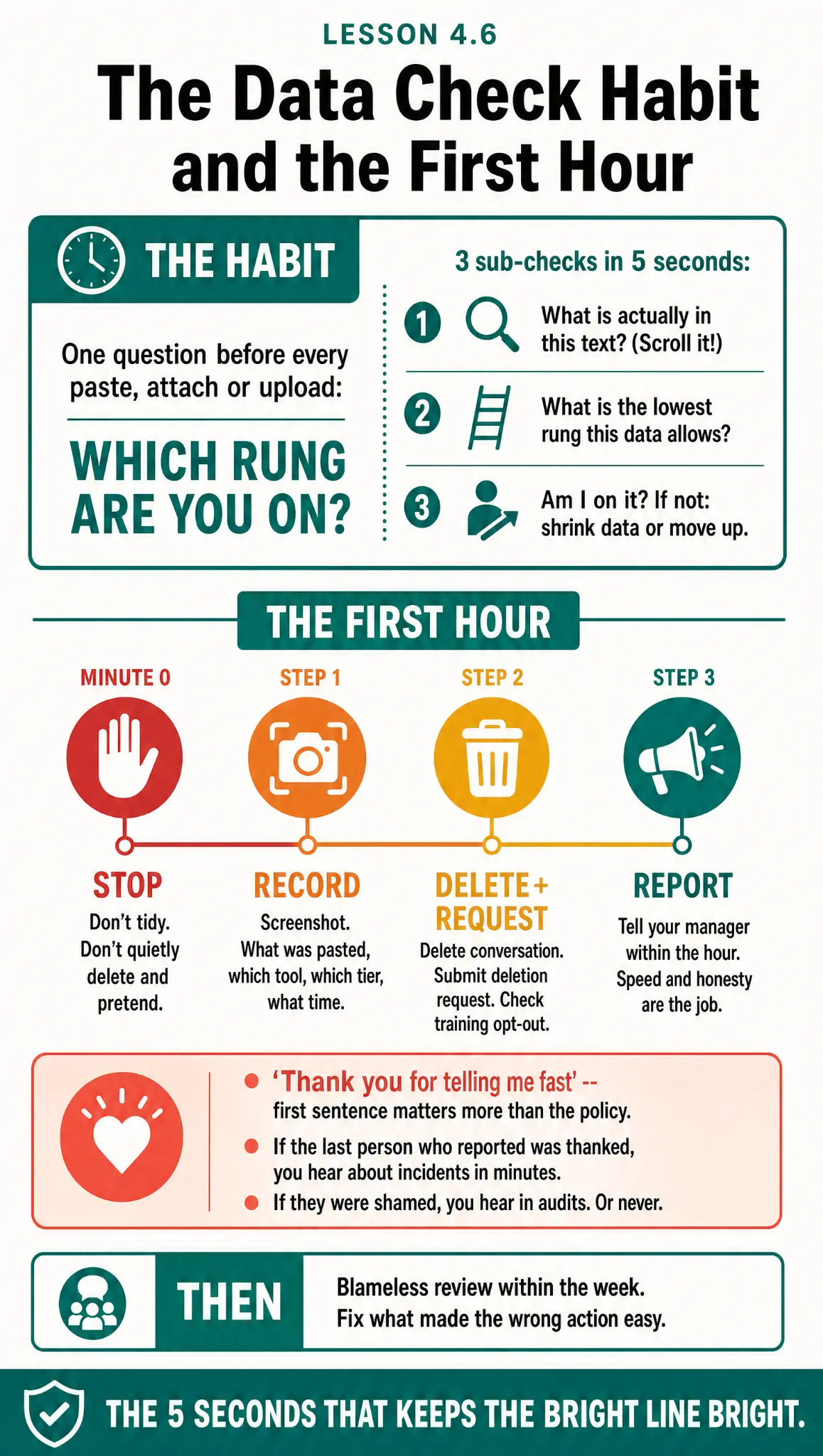
Begin with data checks that matter: definitions, completeness, duplicates and the context behind an unexpected result.
Explore this topic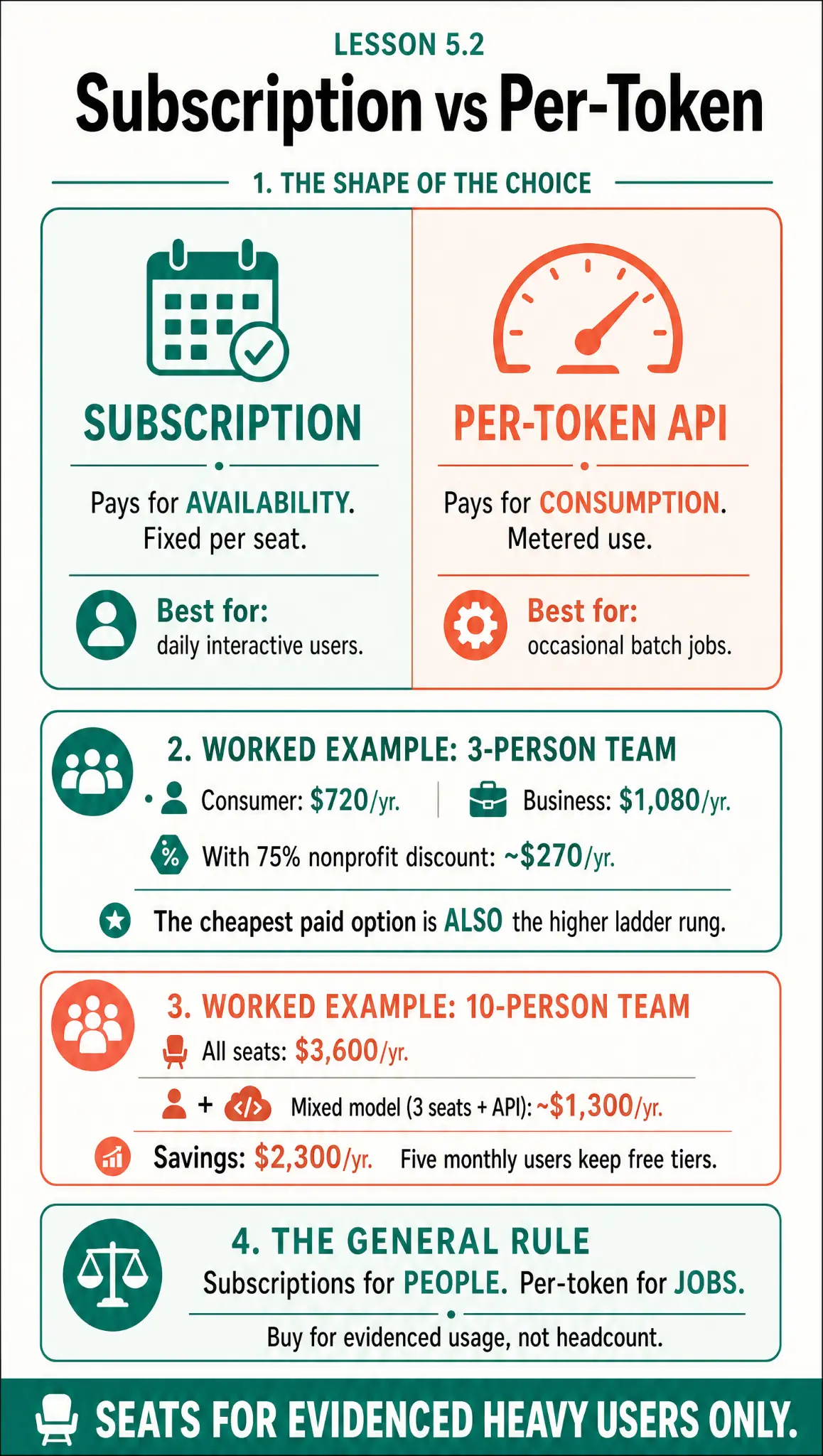
Compare the costs behind AI access, including usage, staff time, verification and support.
Explore this topic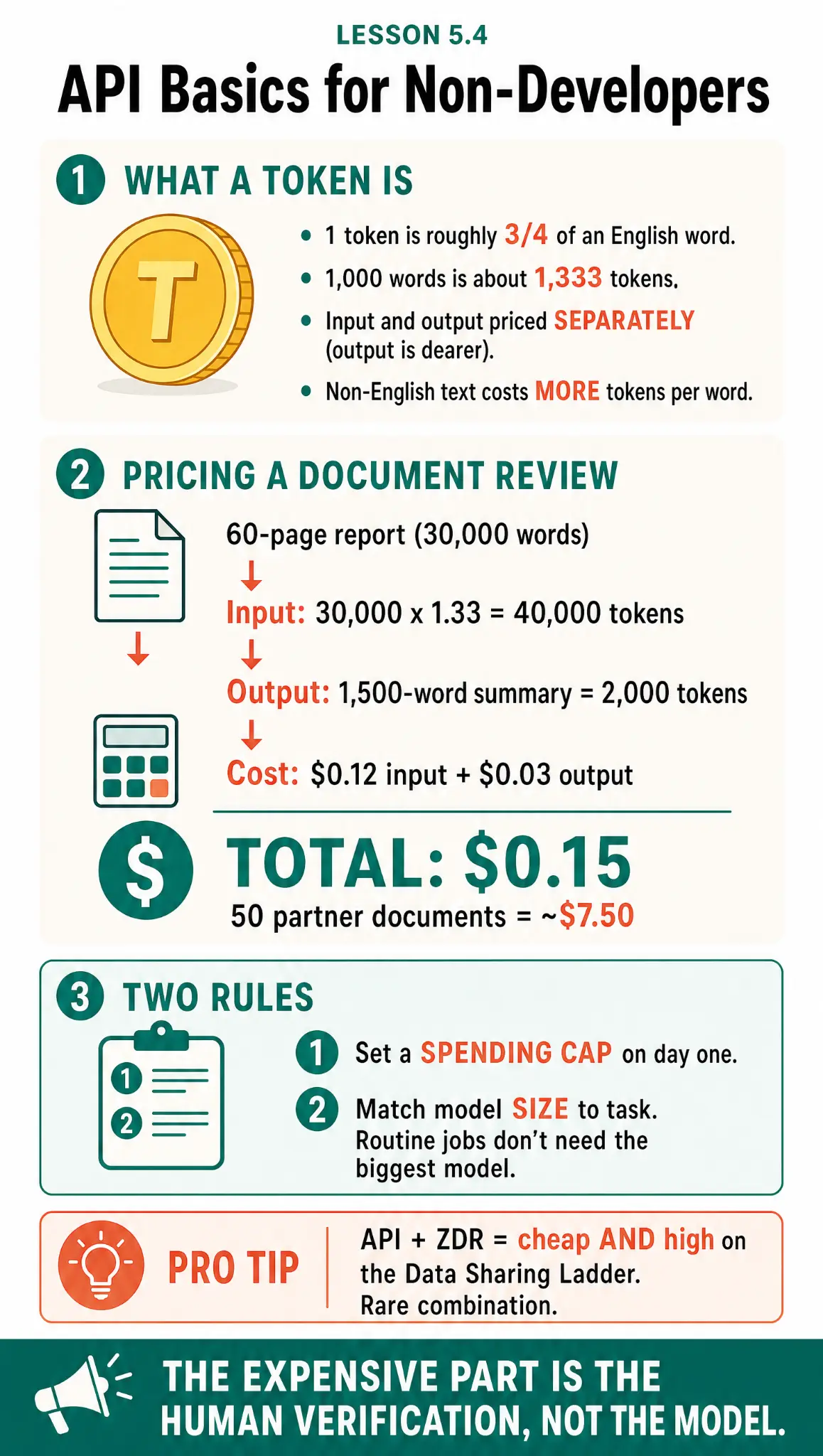
Understand how tools exchange information and the questions to ask before connecting an AI service to a MEL workflow.
Explore this topic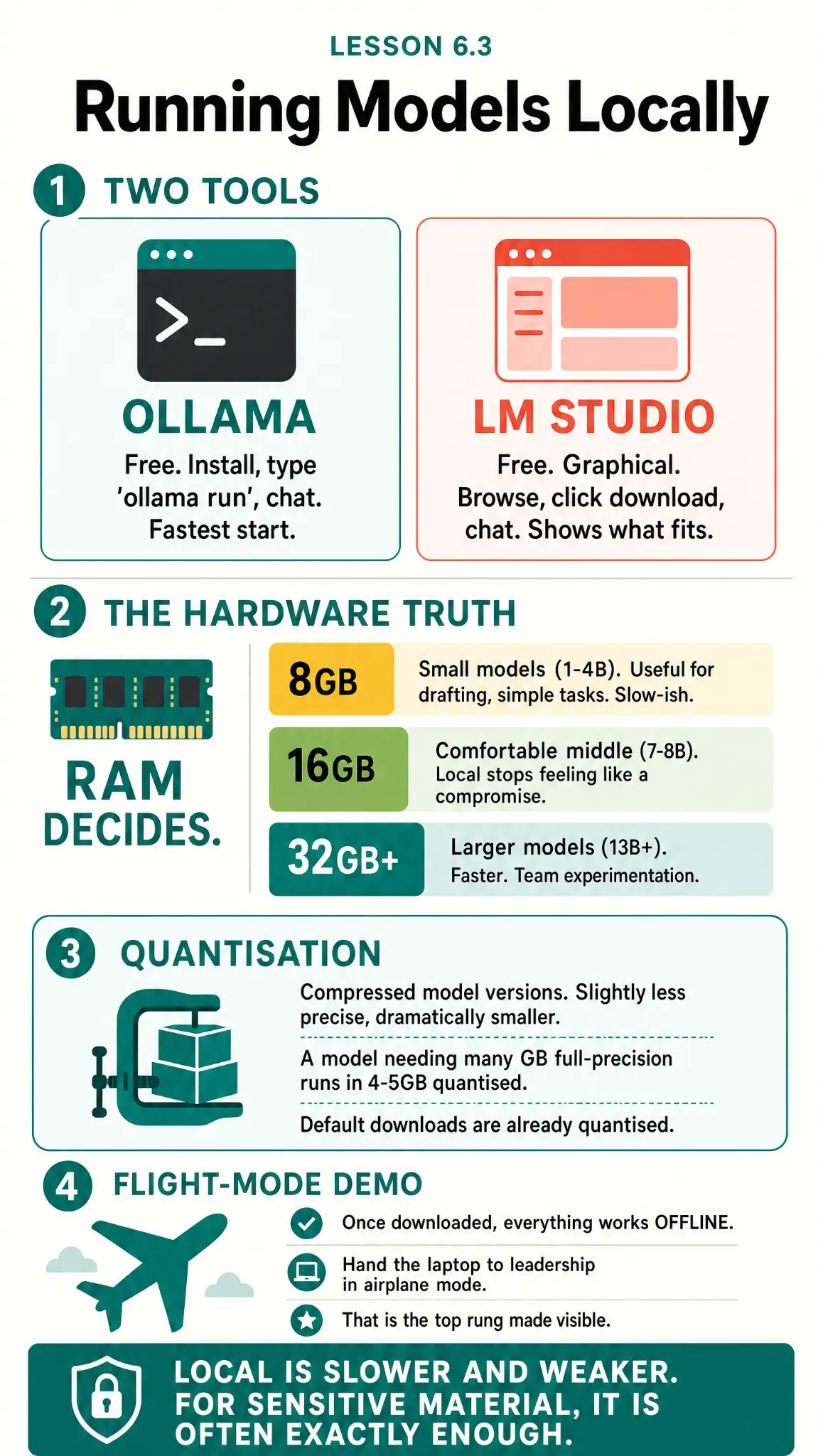
Explore what local AI could mean for your team, including hardware, maintenance and responsibility for data.
Explore this topic
Think through fieldwork when connectivity is unreliable: collection, local storage, safe transfer and synchronisation.
Explore this topic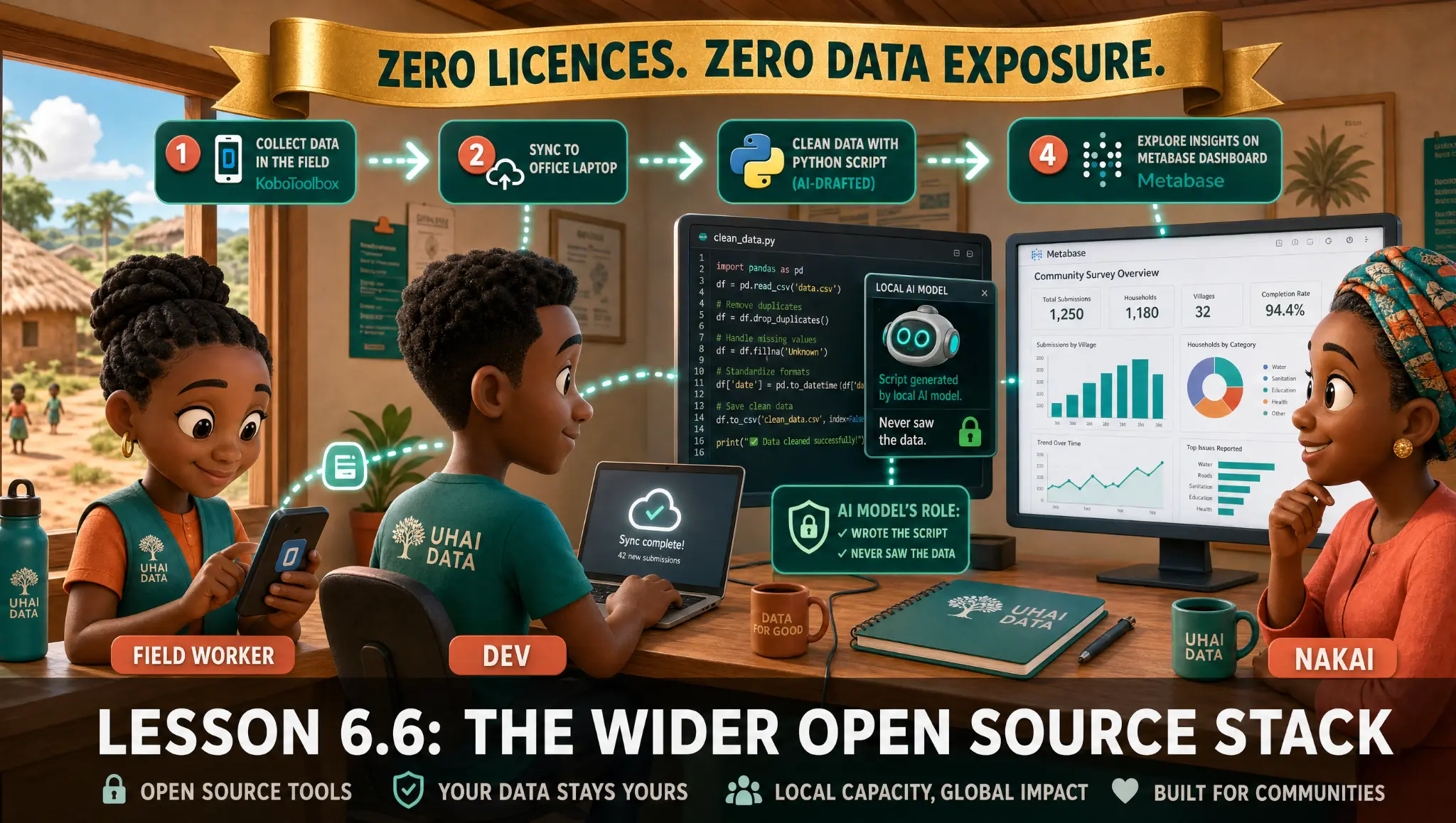
Consider how open-source tools fit together and what your team needs to maintain a reliable evidence workflow.
Explore this topic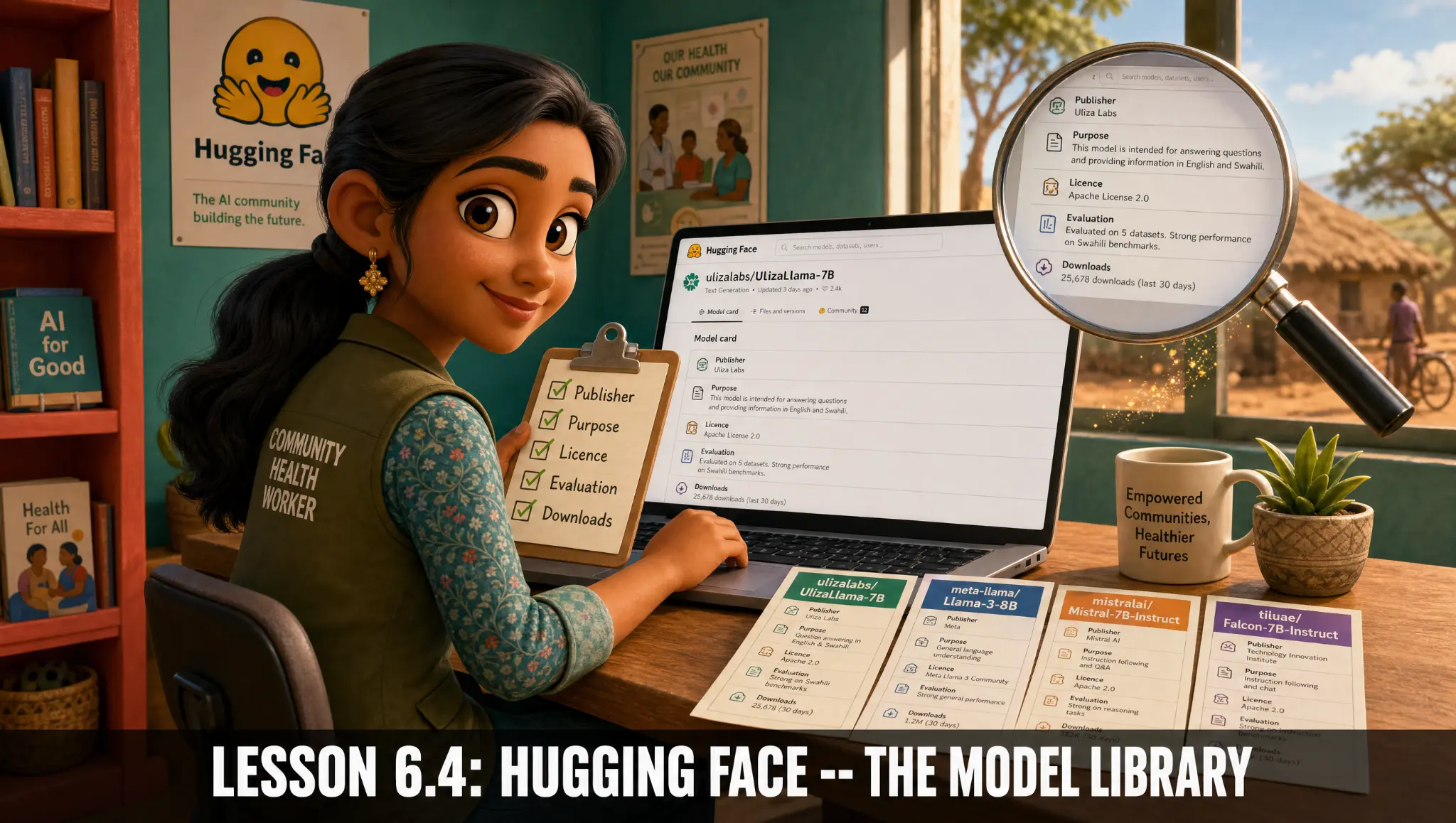
Learn what to look for in a model library, including documentation, intended use, limitations and licence conditions.
Explore this topic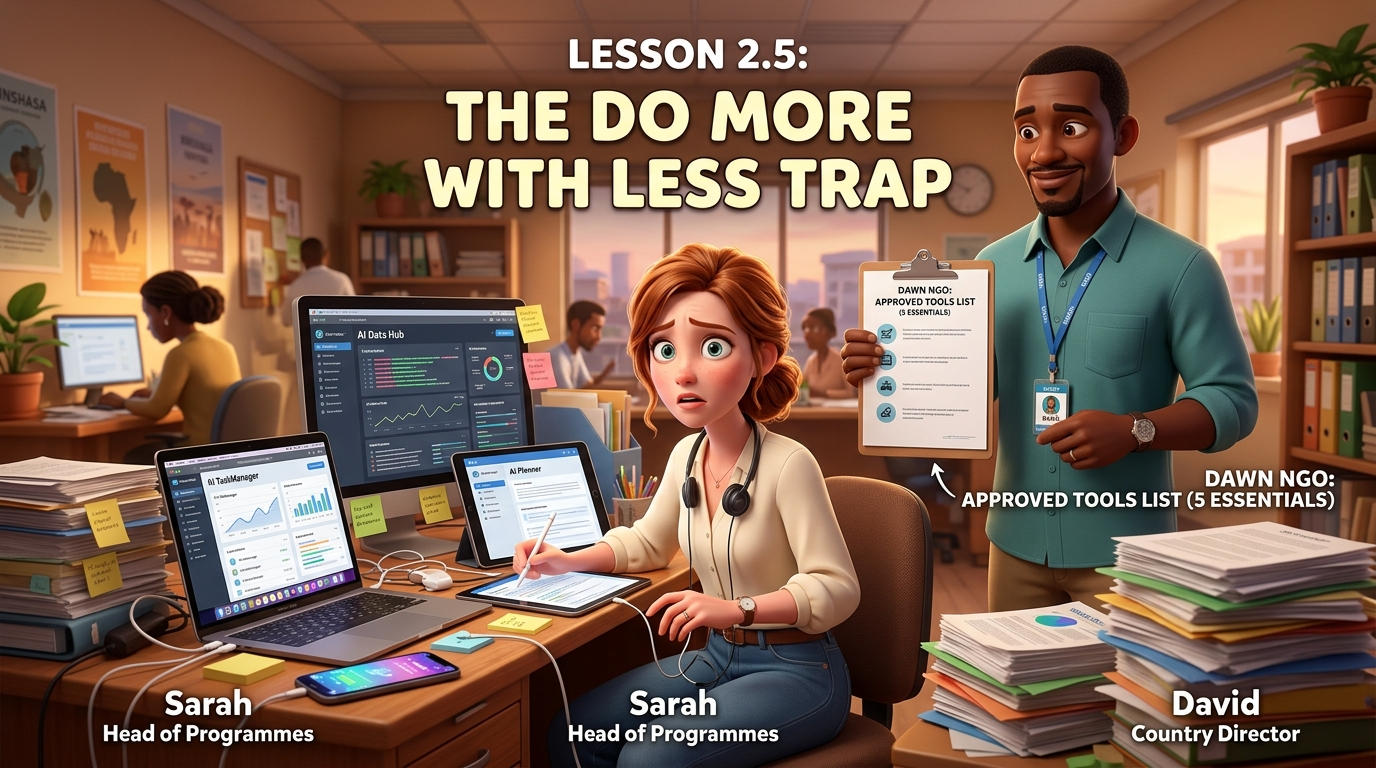
Challenge the idea that faster output automatically means better work. Make quality, care and realistic workloads part of the discussion.
Explore this topic